Turn on audio for
the best experience.
“Being halfway in our journey does not mean we are headed in the wrong direction.”
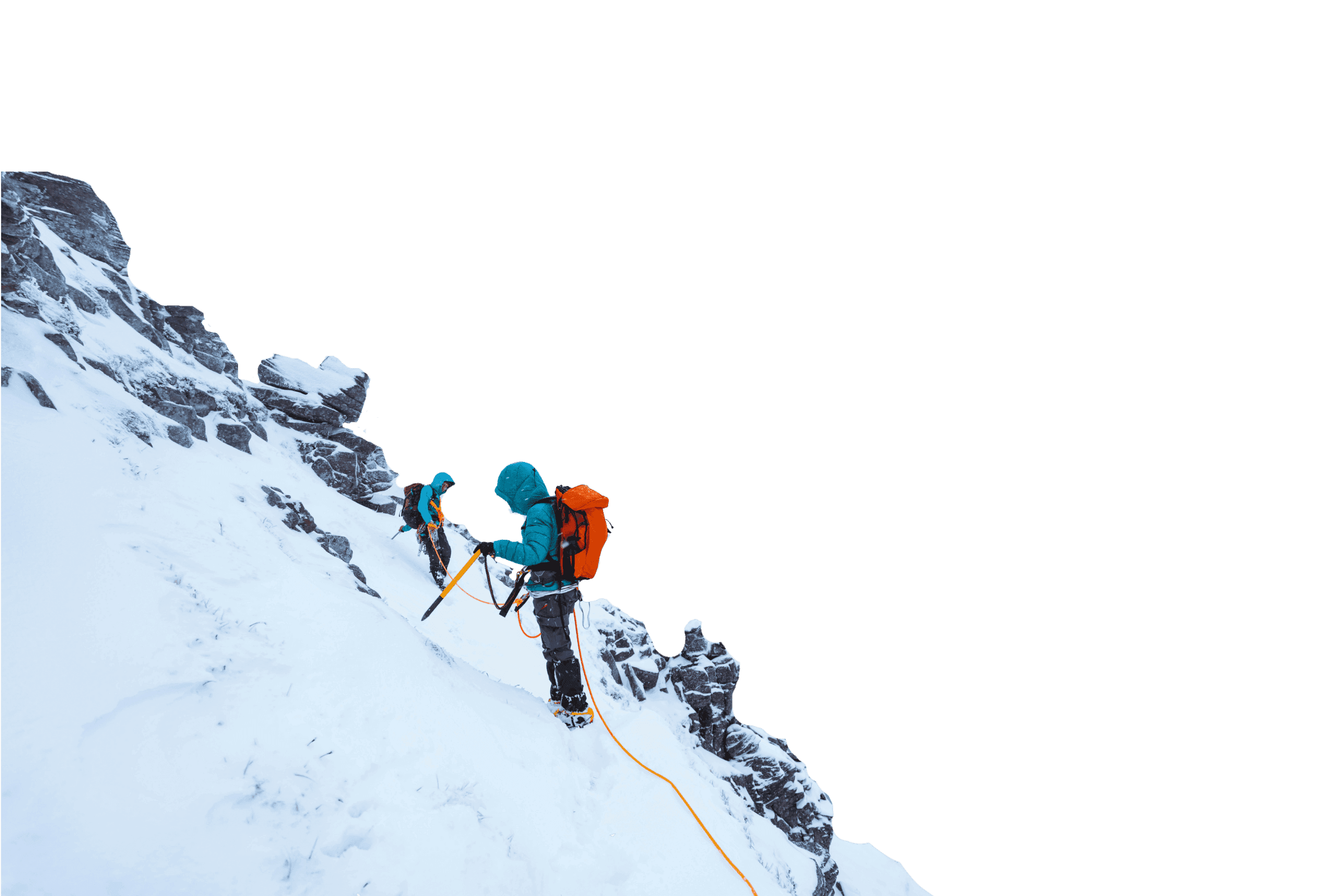
I once met a top Sherpa who had summited Mount Everest eleven times. He explained that climbing is not one continuous ascent. Climbers ascend high, then descend to allow their bodies to adjust. This process, called acclimatization, is crucial for survival. I keep this lesson in mind: success is non-linear, and being halfway in our journey does not mean we are headed the wrong way.
“Being halfway in our journey does not mean we are headed in the wrong direction.”
I once met a top Sherpa who had summited Mount Everest eleven times. He explained that climbing is not one continuous ascent. Climbers ascend high, then descend to allow their bodies to adjust. This process, called acclimatization, is crucial for survival. I keep this lesson in mind: success is non-linear, and being halfway in our journey does not mean we are headed the wrong way.
“Being halfway in our journey does not mean we are headed in the wrong direction.”
I once met a top Sherpa who had summited Mount Everest eleven times. He explained that climbing is not one continuous ascent. Climbers ascend high, then descend to allow their bodies to adjust. This process, called acclimatization, is crucial for survival. I keep this lesson in mind: success is non-linear, and being halfway in our journey does not mean we are headed the wrong way.
“Being halfway in our journey does not mean we are headed in the wrong direction.”
I once met a top Sherpa who had summited Mount Everest eleven times. He explained that climbing is not one continuous ascent. Climbers ascend high, then descend to allow their bodies to adjust. This process, called acclimatization, is crucial for survival. I keep this lesson in mind: success is non-linear, and being halfway in our journey does not mean we are headed the wrong way.
FAITH IN THE
Future
OVERCOMING OLD HABITS
OVERCOMING OLD HABITS
OVERCOMING OLD HABITS
OVERCOMING OLD HABITS
When I joined, my priority was revitalizing our professional field force. This meant radical changes to how we attracted and trained new advisors, including sensitive changes to the compensation system. More demanding than the technology lag was the human element. We faced resistance in breaking down silos and getting people to realize that the fundamental business climate had changed, not just the weather.
When I joined, my priority was revitalizing our professional field force. This meant radical changes to how we attracted and trained new advisors, including sensitive changes to the compensation system. More demanding than the technology lag was the human element. We faced resistance in breaking down silos and getting people to realize that the fundamental business climate had changed, not just the weather.
When I joined, my priority was revitalizing our professional field force. This meant radical changes to how we attracted and trained new advisors, including sensitive changes to the compensation system. More demanding than the technology lag was the human element. We faced resistance in breaking down silos and getting people to realize that the fundamental business climate had changed, not just the weather.
When I joined, my priority was revitalizing our professional field force. This meant radical changes to how we attracted and trained new advisors, including sensitive changes to the compensation system. More demanding than the technology lag was the human element. We faced resistance in breaking down silos and getting people to realize that the fundamental business climate had changed, not just the weather.
CRISIS REVEALS OUR CHARACTER
Just as a major operational system launch was planned, the pandemic hit. Luckily, years earlier, leaders had the foresight to implement digital capabilities, allowing remote business to continue. But fear was paralyzing. In that moment of existential dread, the organization responded with humanity: providing financial aid to all field agents and guaranteeing full pay and benefits to every employee.
CULTURE IS THE BRIDGE TO THE FUTURE
CULTURE IS THE BRIDGE TO THE FUTURE
People remember how a company behaves in a crisis. This crisis revealed our culture. What makes a company thrive is its culture—the ability of its people to collaborate and find meaning in their work. We fostered an environment free of biases, encouraging employees to speak openly and participate in cross-functional teams to drive innovation. We will not be paralyzed by fear, but will keep climbing.
People remember how a company behaves in a crisis. This crisis revealed our culture. What makes a company thrive is its culture—the ability of its people to collaborate and find meaning in their work. We fostered an environment free of biases, encouraging employees to speak openly and participate in cross-functional teams to drive innovation. We will not be paralyzed by fear, but will keep climbing.
"A leader’s role is to comfort the disturbed and disturb the comfortable."
"A leader’s role is to comfort the disturbed and disturb the comfortable."
“Being halfway in our journey does not mean we are headed in the wrong direction.”
I once met a top Sherpa who had summited Mount Everest eleven times. He explained that climbing is not one continuous ascent. Climbers ascend high, then descend to allow their bodies to adjust. This process, called acclimatization, is crucial for survival. I keep this lesson in mind: success is non-linear, and being halfway in our journey does not mean we are headed the wrong way.
FAITH IN THE
Future
OVERCOMING OLD HABITS
When I joined, my priority was revitalizing our professional field force. This meant radical changes to how we attracted and trained new advisors, including sensitive changes to the compensation system. More demanding than the technology lag was the human element. We faced resistance in breaking down silos and getting people to realize that the fundamental business climate had changed, not just the weather.
CRISIS REVEALS OUR CHARACTER
Just as a major operational system launch was planned, the pandemic hit. Luckily, years earlier, leaders had the foresight to implement digital capabilities, allowing remote business to continue. But fear was paralyzing. In that moment of existential dread, the organization responded with humanity: providing financial aid to all field agents and guaranteeing full pay and benefits to every employee.
CULTURE IS THE BRIDGE TO THE FUTURE
People remember how a company behaves in a crisis. This crisis revealed our culture. What makes a company thrive is its culture—the ability of its people to collaborate and find meaning in their work. We fostered an environment free of biases, encouraging employees to speak openly and participate in cross-functional teams to drive innovation. We will not be paralyzed by fear, but will keep climbing.
"A leader’s role is to comfort the disturbed and disturb the comfortable."
Want to
continue your
kairos journey?
Want to continue your kairos journey?
Want to continue
your kairos journey?
Sign up for our newsletter and explore ways you can improve your life.
RELATED STORIES
Every life is a collection of pivotal moments. So too is every enduring story.


© 2025 The Insular Life Assurance Company, Ltd. All rights reserved.
© 2025 The Insular Life Assurance Company, Ltd. All rights reserved.
© 2025 The Insular Life Assurance Company, Ltd. All rights reserved.
© 2025 The Insular Life Assurance Company, Ltd. All rights reserved.